Working in La Barceloneta: more than just being close to the sea
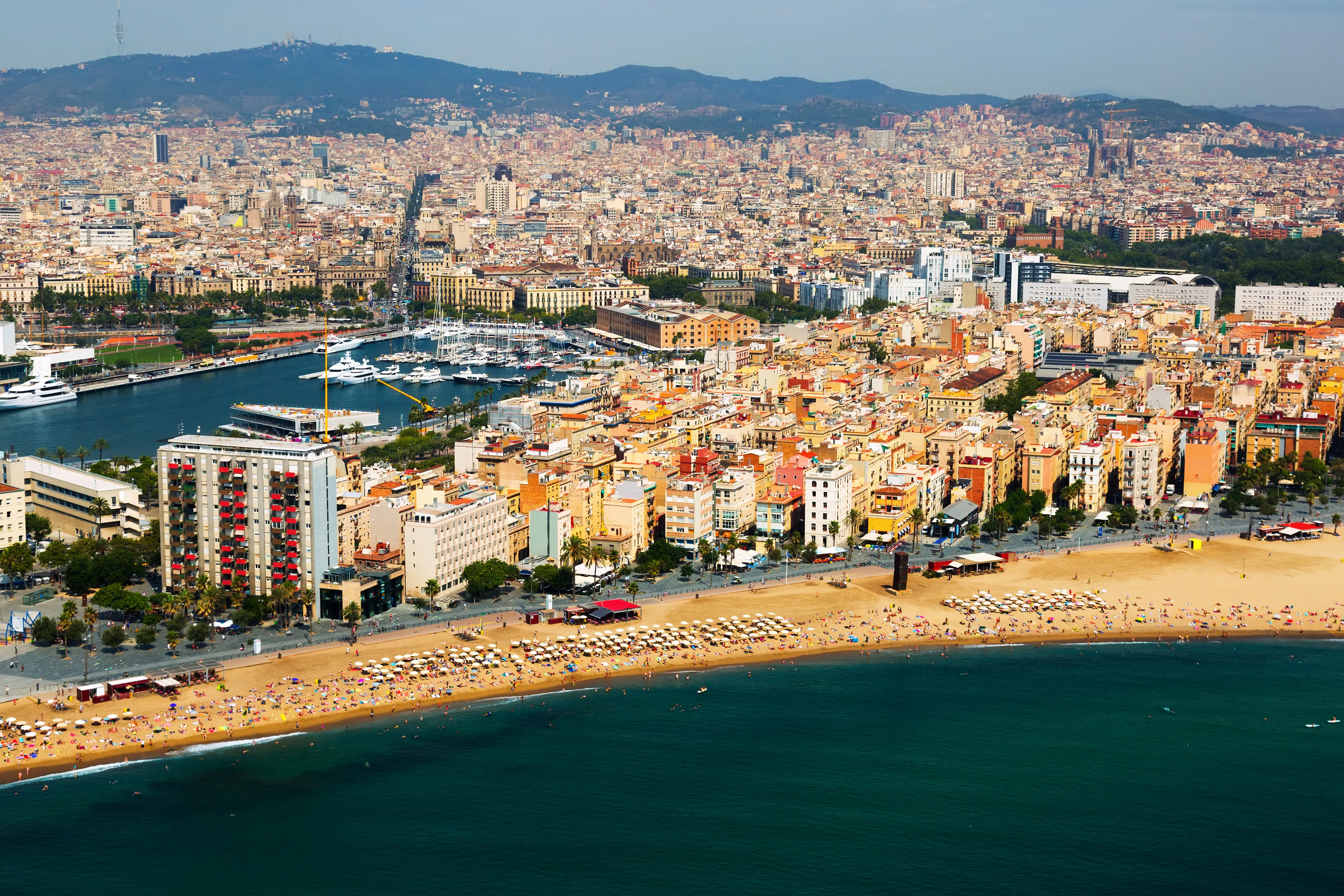
La Barceloneta is one of Barcelona’s most distinctive neighbourhoods. Its maritime heritage, street layout and relationship with the port have shaped a unique setting that has evolved alongside the city.
Although its proximity to the Mediterranean is one of its best-known features, La Barceloneta is also the product of more than two and a half centuries of urban, economic and social change. From a neighbourhood rooted in fishing and maritime trade, it became a centre of industrial activity and, later, an area where residential, cultural and business uses coexist.
Understanding this evolution offers a glimpse of a part of Barcelona that extends far beyond its present-day image, and helps explain how certain places have taken on new purposes without losing their connection to the past.
A neighbourhood born out of Barcelona’s transformation
The origins of La Barceloneta date back to the 18th century. Following the War of the Spanish Succession, the construction of the Ciutadella fortress brought major changes to Barcelona’s urban fabric, including the demolition of part of the historic Ribera neighbourhood.
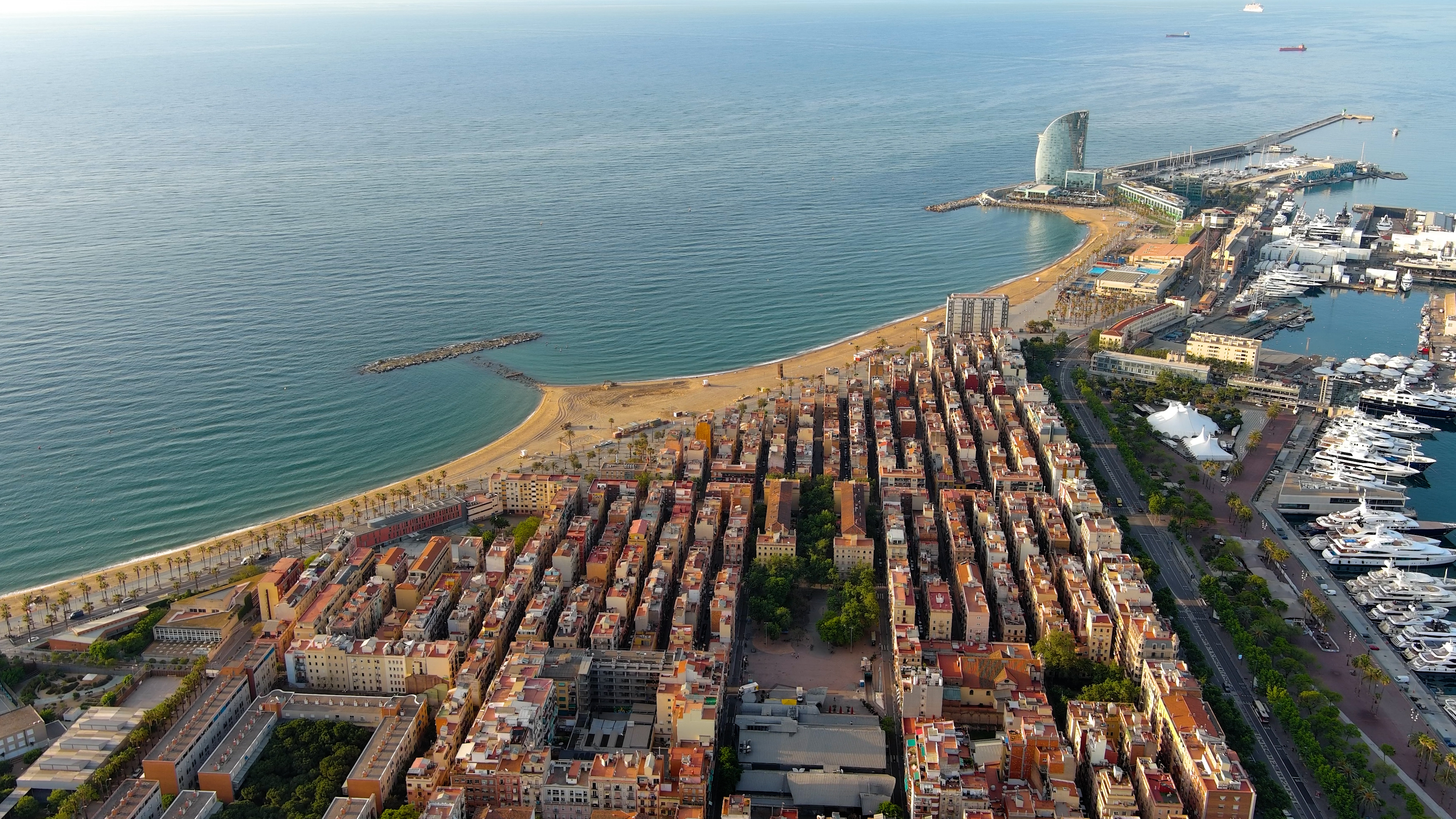
It was against this backdrop that construction of La Barceloneta began in 1753, on land reclaimed from the sea. Designed by military engineer Juan Martín Cermeño, the development was laid out with straight streets and regular blocks, and homes built to similar specifications.
This planning created a distinctive street pattern that still sets La Barceloneta apart from other Barcelona neighbourhoods today. Its narrow streets and urban structure bear the imprint of a time when the city was beginning to redefine its relationship with the port and coastline.
As the population grew, the original buildings were gradually adapted to meet changing housing needs. One of the clearest examples of this evolution was the emergence of the so-called “cuartos de casa”, small dwellings created by subdividing existing homes.
Residential architecture and the layout of its streets are therefore part of the neighbourhood’s historical memory.
La Barceloneta’s maritime and industrial heritage
For much of its history, economic life in La Barceloneta was closely tied to the sea. Fishing, seafaring, port trade and the trades that supported them shaped the lives of its residents.
However, Barcelona’s industrial expansion during the 19th century also left a lasting mark on the neighbourhood and surrounding area. Proximity to the port encouraged the establishment of workshops, metalworking companies and a range of industrial facilities.
For decades, La Barceloneta was a place where maritime activity and industry existed side by side, two sectors that were central to Barcelona’s economic growth.
One example of this industrial past is La Barceloneta’s former gasworks, which began operating in the 19th century. It gave today’s Plaça del Gas its name and recalls a period when this stretch of the seafront was devoted to producing and supplying energy to the city.
This history helps explain why La Barceloneta’s landscape has not always been associated with leisure and tourism. For many years it was also a place of production, infrastructure and work.
A neighbourhood that retains its identity
La Barceloneta has undergone significant changes over the years, but it still retains features that reflect its past.
Its streets, squares and historic buildings form an urban fabric with a character all its own. Places such as the Mercat de la Barceloneta and the Church of Sant Miquel del Port remain landmarks in the neighbourhood’s history and everyday life.
Its culinary traditions, particularly those rooted in seafood and maritime cuisine, also reflect its longstanding connection with the port and maritime trades.
Today, this identity coexists with a complex urban reality that brings together residential life, shops, restaurants and visitors. Preserving the neighbourhood’s memory and character as it continues to evolve is one of the major challenges facing La Barceloneta today.
What makes La Barceloneta distinctive is not simply its geographical location, but the continuity of a history that remains visible in its architecture, traditions and public spaces.
The transformation of Barcelona’s seafront
Barcelona’s relationship with the sea has changed considerably in recent decades. For much of the 20th century, stretches of the coastline were occupied by industrial facilities, infrastructure and spaces connected with port operations.
The urban transformation undertaken for the 1992 Olympic Games marked a turning point in the regeneration of the seafront and the city’s opening up towards its beaches.
This process created new public spaces, reorganised infrastructure and established a different relationship between neighbourhoods along the coast and the rest of Barcelona.
The evolution of Port Vell and other seafront areas also reflects these changes. Areas previously devoted to port and industrial uses gradually took on new functions, as part of a transformation that remains a defining chapter in the city’s recent urban history.
In this context, La Barceloneta shows how different periods of Barcelona’s history coexist within the same area: the 18th-century street layout, the industrial legacy of the 19th century and contemporary urban development.
Torre Marenostrum: from industrial heritage to business activity
The transformation of this part of Barcelona can also be understood through the changing uses of particular sites.
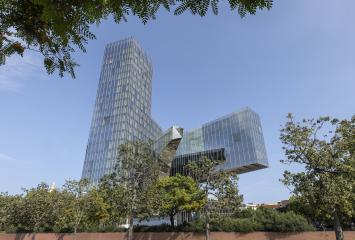
In Plaça del Gas, named after the area’s former industrial activity, stands Torre Marenostrum, one of Colonial SFL’s office properties in Barcelona.
Designed by Enric Miralles and Benedetta Tagliabue of architecture studio EMBT, and inaugurated in 2006, the building belongs to a more recent phase of seafront transformation, during which former industrial sites gave way to new urban and business uses.
Its presence connects different chapters in the history of this place. An area once associated with energy production is now home to businesses and professional activity, reflecting the changing roles this part of the city has played.
Beyond its architectural distinctiveness, Torre Marenostrum offers a way of understanding how contemporary buildings become part of places with histories of their own.
History is also part of the working environment
Each area of Barcelona has its own urban context, shaped by its history, economic activities and the transformations it has undergone over time.
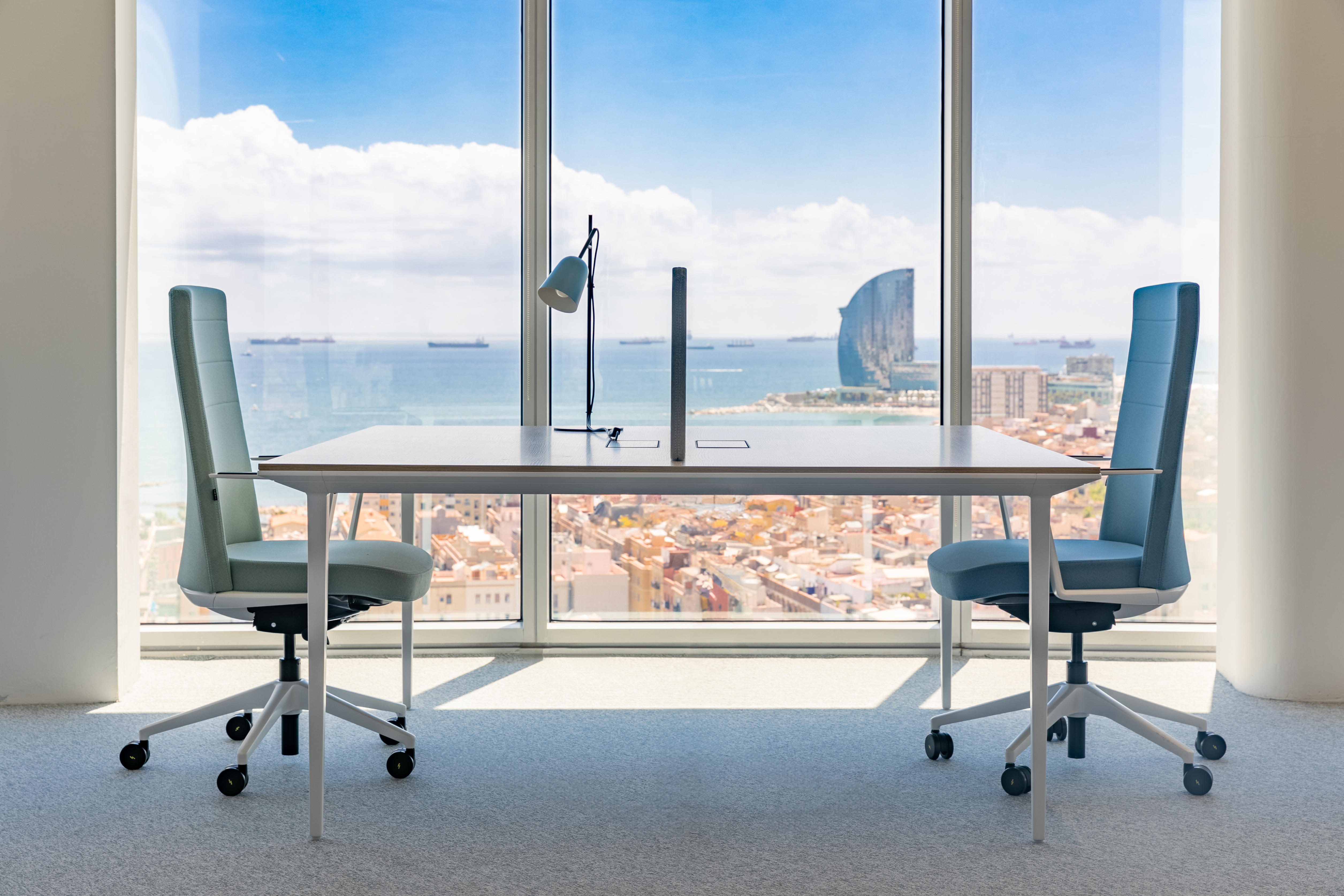
In La Barceloneta, that context is particularly influenced by its maritime and industrial past and by its evolving relationship with the port and the Mediterranean. Understanding these different periods provides a clearer picture of the neighbourhood’s character and its present-day surroundings.
The location of an office building can also be considered from this historical and urban perspective, beyond the services or practical features of its immediate surroundings.
Through Torre Marenostrum, Colonial SFL has a presence in an area of Barcelona where contemporary business activity coexists with the traces of successive periods of urban transformation.
An example of how a city’s history lives on not only in its oldest buildings, but also in places that, over time, find new ways of being part of the city.